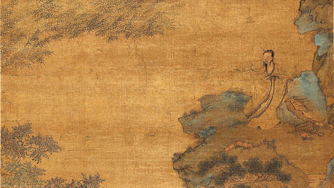
Four Masters of the Song Dynasty
Introduction
The term Four Masters of the Song Dynasty refers to a distinguished group of artists from the Song Dynasty (960-1279), renowned for their contributions to Chinese painting and calligraphy. These masters played a significant role in the development and evolution of literati painting, a genre that emphasized personal expression and intellectual depth over realistic representation.
Background
During the Song Dynasty, art and culture flourished, leading to significant innovations in painting and calligraphy. The Four Masters were instrumental in this cultural renaissance, each contributing unique styles and techniques that would influence generations of artists. Their works often depicted natural elements, such as landscapes, bamboos, and rocks, imbued with symbolic meanings and reflecting the moral and philosophical ideals of the time.
The Four Masters
-
Su Shi (1037-1101): A notable scholar, politician, and artist, Su Shi was a pioneer of literati painting. He is celebrated for his ability to infuse his works with deep personal reflection and scholarly erudition. One of his most famous creations, Bamboos and Rocks, serves as a prime example of his skill in using simple natural motifs to convey complex emotions and philosophical ideas. Despite the scarcity of paintings directly attributed to Su Shi, his influence on Chinese art remains profound.
-
Mi Fu (1051-1107): A contemporary of Su Shi, Mi Fu was an accomplished painter, calligrapher, and poet. Known for his distinct style that emphasized the expressive power of brushstrokes, Mi Fu's works often featured bold and energetic lines. His contribution to the genre of literati painting was shaped by his belief in the spiritual connection between the artist and the natural world, a principle reflected in his dynamic depictions of landscapes and nature.
-
Cai Xiang (1012-1067): Renowned for his calligraphic skills, Cai Xiang was a prominent figure in the Song Dynasty's artistic community. His works are characterized by their elegant and fluid lines, which convey a sense of harmony and balance. Cai Xiang's calligraphy and paintings often explored themes of nature and humanistic values, aligning with the broader literati movement's focus on intellectual and moral expression.
-
Huang Tingjian (1045-1105): As a leading calligrapher and poet, Huang Tingjian made significant contributions to the cultural landscape of the Song Dynasty. His innovative approach to calligraphy, marked by its bold and unconventional strokes, challenged traditional norms and inspired future generations of artists. Huang's paintings, like those of his peers, frequently depicted nature, emphasizing the artist's philosophical contemplation of the world around him.
Legacy and Influence
The Four Masters of the Song Dynasty left an indelible mark on the history of Chinese art. Their dedication to literati painting as a means of personal and intellectual expression established a lasting tradition that continued to evolve through subsequent dynasties. By prioritizing the inner world of the artist over mere visual accuracy, they redefined the role of art in society, paving the way for future scholar-painters to explore new forms of creativity and self-expression.
Their works are cherished not only for their aesthetic beauty but also for their ability to convey profound moral and philosophical insights. The enduring appeal of their art lies in its ability to bridge the historical and cultural divides, offering timeless reflections on the human condition and the natural world.
Exhibition and Scholarship
Deng Tuo, a late intellectual and former editor-in-chief of People's Daily, played a crucial role in preserving and promoting the works of the Four Masters. Through his extensive collection of ancient paintings, including those from the Song Dynasty, Deng contributed significantly to academic research and public appreciation of this important period in Chinese art history.
His dedication to cultural preservation is exemplified by his generous donations to the National Art Museum of China, where exhibitions continue to showcase the rich heritage and artistic achievements of the Song Dynasty masters. These exhibitions provide valuable insights into the evolution of Chinese painting and serve as a testament to Deng's commitment to cultural inheritance and education.








